
Human-readable canonical work
DD notes, hypothesis briefs, IC memo drafts, and review outputs stay readable to humans and writable by agents.

Technology Stack Local-first runtime for agent-assisted validation
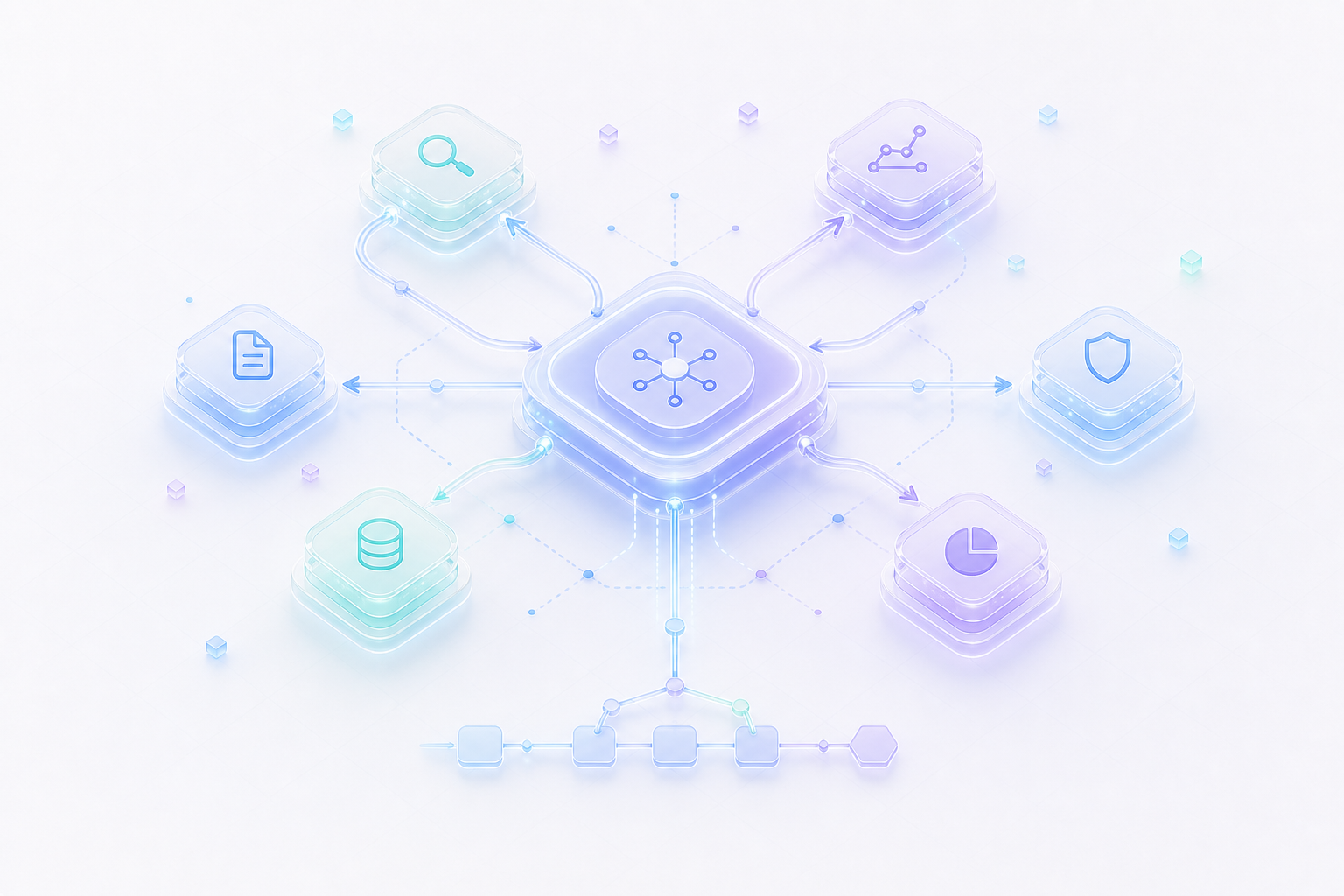
HypoGrid is built around a local trust boundary, a Markdown-native workspace, configurable diligence packs, specialist agent orchestration, and a ledger that keeps every claim traceable.
Stack Overview
Each layer protects a different part of the workflow: source ownership, repeatability, tool integration, agent execution, and decision history.
 01
01
Keep sensitive source material local while making it addressable to workflows.
 02
02
Turn firm-specific diligence taste into repeatable gates and analysis packs.
 03
03
Coordinate specialist agents without losing scope, review, or handoff discipline.
 04
04
Make hypotheses, evidence, contradictions, and decisions queryable over time.
Architecture Primitives
PRD-level technical choices show up as primitives that make the workspace portable, inspectable, and extensible.
DD notes, hypothesis briefs, IC memo drafts, and review outputs stay readable to humans and writable by agents.
HypoGrid can remember paths, metadata, projections, and state while source materials remain in the local folder.
Startup DD, commercial DD, financial DD, founder DD, and expert-call workflows can ship as executable packs.
External tools can feed observations and research back into the same hypothesis, evidence, and decision loop.
Teams can start as an open local workbench, then move selected workflows to web or API-based model routing.
01 — Local Forest Trust Boundary
Dataroom exports, call notes, PDFs, spreadsheets, and intermediate analysis can remain in the user's file system. HypoGrid stores the operational layer around those files: paths, metadata, projections, embeddings, workflow state, and review history.
02 — Configurable Workflow
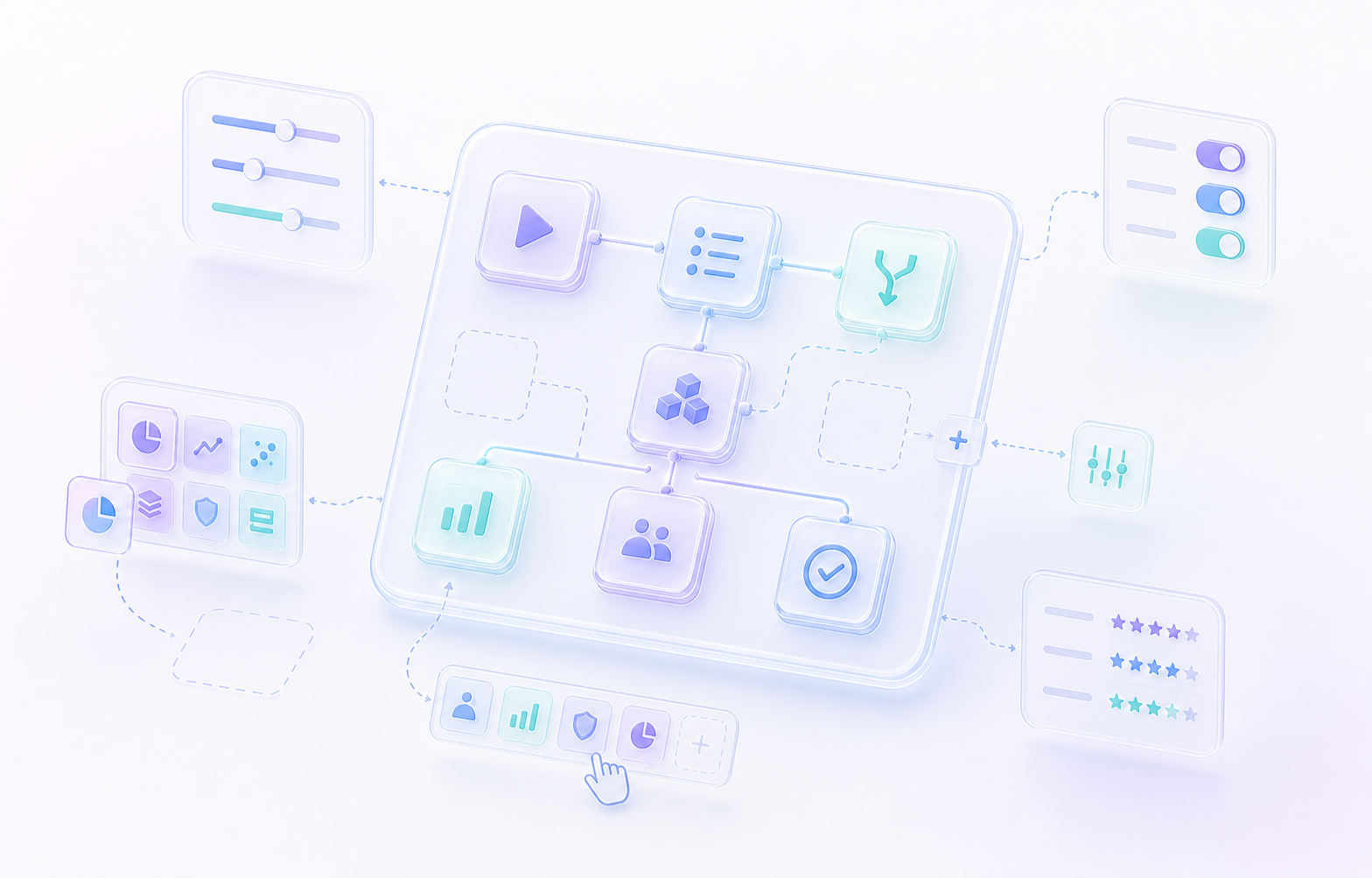
HypoGrid is meant for teams whose diligence style is a competitive advantage. Workflows can reflect firm-specific evidence standards, conviction thresholds, source tiers, memo structure, and route-back logic.
03 — Multi-Agent Orchestrator
HypoGrid coordinates agents across market work, customer evidence, competitive analysis, financial checks, expert interview synthesis, and critique loops. The goal is not a single magical assistant; it is a controlled division of analytical labor.
04 — Ledger Layer
The ledger is the canonical record underneath the matrix, briefs, timelines, and memo drafts. Hypotheses, evidence, contradictions, open issues, and decisions keep stable IDs so the team can inspect how a judgment was formed.
Roadmap
The roadmap starts with a personal local execution environment, then expands into a shared system for repeatable validation across investors and builders.
Open, local-first workflows for individuals who want to run diligence from their own folders, models, and toolchain.
Abstract repeated diligence work into reusable packs, ledgers, review gates, and agent-assisted outputs.
Extend the same hypothesis-led system beyond venture diligence into business validation, visualization, and decision workflows.
Operating Principle
The stack is designed to compress the repetitive parts of validation while preserving what matters most: source boundaries, review gates, decision criteria, and a record the team can defend later.